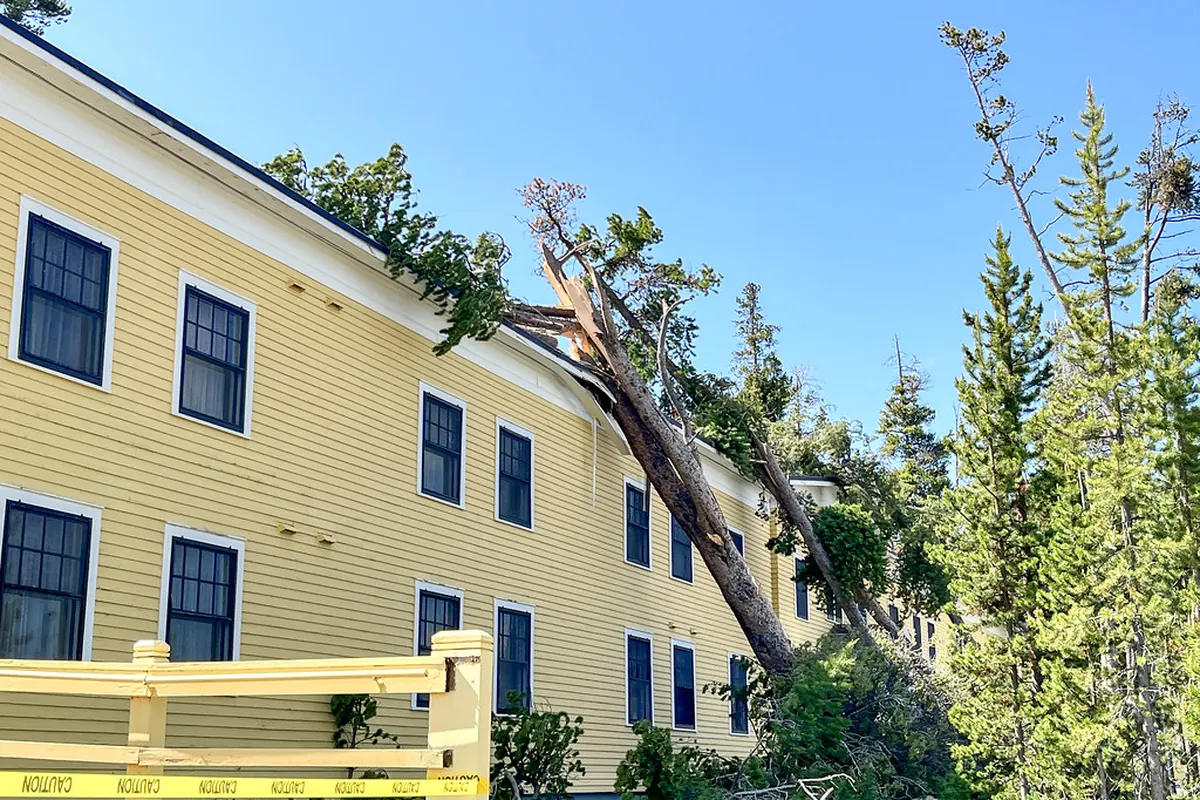
When a winter windstorm sweeps through western Washington, the first hours are about safety: downed lines, blocked roads, no power. Once everyone is safe, good documentation is the single biggest thing you can do to protect your claim.
Before anything is moved
- Photograph wide, then close. Start with each side of the house from the street, then move closer. Get the tree where it lies, the root ball or break point, and every point of contact.
- Take video. A slow walk-around video with narration captures context photos miss.
- Note the date and time. Write down when the storm hit and when you found the damage.
- Save weather records. National Weather Service reports and local news coverage tie damage to the event.
Protecting the property
Your policy requires reasonable steps to prevent further damage. Tarp openings, shut off water if pipes are broken and move belongings away from leaks. Keep every receipt, and photograph temporary repairs before and after.
If a tree must be removed before the adjuster arrives, document it thoroughly first, tell the insurer and keep the arborist’s or tree service’s invoice. Ask whether cut sections should be kept.
Inside the house
Damage from a fallen tree or wind-driven rain often shows up indoors over days: stains on ceilings, cracked drywall, sticking doors and windows. Photograph each room and recheck after a week.
Structural questions
A heavy fir can crack rafters, trusses and walls even when the roof looks repairable. If doors stick, floors slope or walls crack after an impact, ask for a structural engineer’s evaluation. Its findings give everyone a clear basis for the repair scope.
Roof and siding
Wind damage is directional. Note which slopes and walls faced the wind. Look for creased or missing shingles, lifted tabs, broken seals and siding pulled from its fasteners. Photograph with a tape measure or coin for scale.
Keep a claim log
Record every call, email and visit: date, name, what was said. Organized records make supplements, complaints or appraisal much easier later.
Keep reading
 Guide
Wildfire Total Loss: A Claim Checklist for Washington Homeowners
Limits, contents, living expenses and rebuild costs after a home is lost to wildfire.Read Guide
Frozen Pipes and Ice Dams: What Washington Policies Usually Say
How policies usually treat winter water damage, and the conditions insurers tend to raise.Read Guide