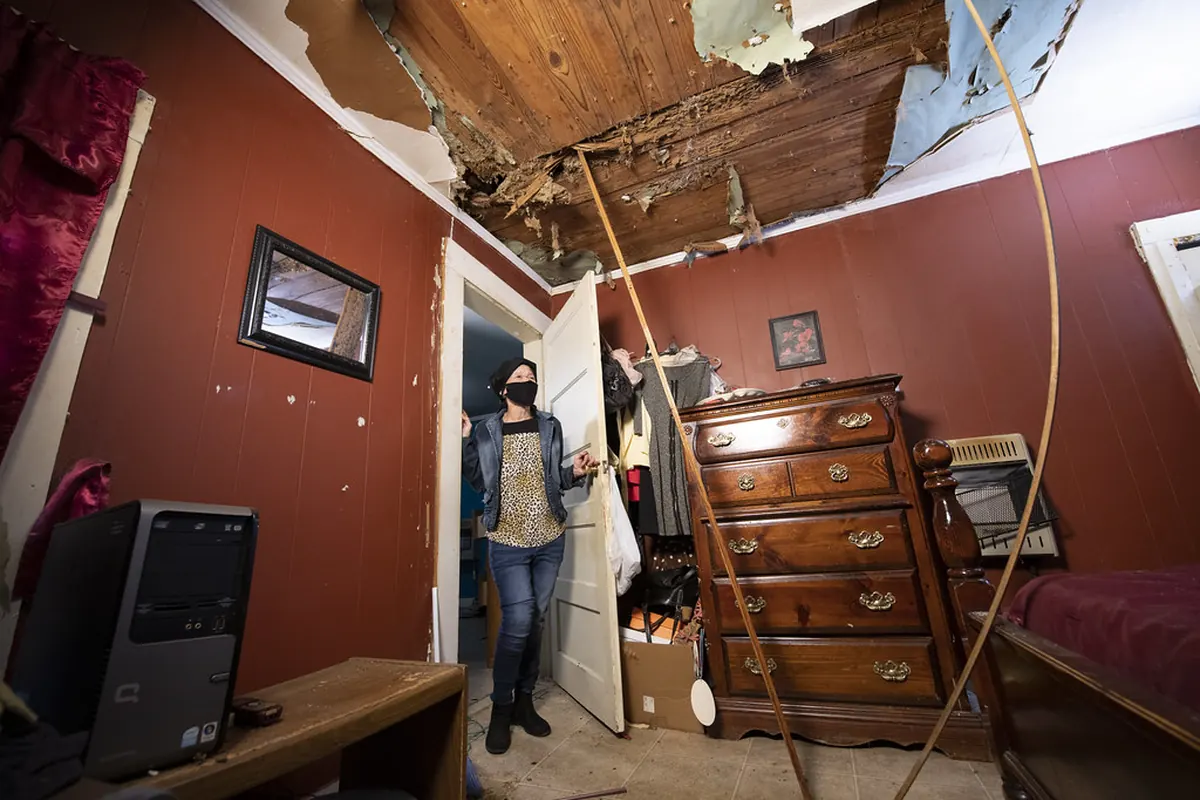
The hidden part of a water loss
A failed dishwasher line in a Redmond townhome can wick under cabinets, into subfloor and down into the garage ceiling below. A slow leak in an older Seattle house can soak lath and plaster for months before it shows. Accurate valuation starts with a moisture map, not a tape measure around the wet spot.
Atmospheric rivers bring long stretches of heavy rain to western Washington every winter. When wind drives that rain through a damaged roof or window, the interior damage may be covered as part of the wind loss. Surface water rising from outside, however, is generally excluded from homeowner policies and covered only by separate flood insurance.
What we look at
- Moisture readings and thermal images to define the true wet area.
- Mitigation invoices: drying equipment, antimicrobial treatment, containment.
- Rebuild scope: drywall, insulation, cabinets, flooring, paint and trim, including matching.
- Access costs: opening walls and ceilings to reach the source.
- Mold remediation, where the policy provides coverage and limits.
Exclusions to understand first
Most policies exclude flood, surface water, groundwater seepage and long-term repeated leakage, while covering sudden and accidental discharge. The November 2021 atmospheric river flooding in Whatcom County showed how quickly those lines matter. If your insurer says the loss is excluded, that is a coverage dispute, and appraisal may not resolve it.
Frequently asked questions
Is mold covered?
Many policies limit or exclude mold, sometimes with a small amount of coverage when it follows a covered water loss. Read the mold or fungi provisions closely.
The carrier says the leak was long-term. Can appraisal decide that?
Whether a leak was sudden or long-term is usually a coverage question. Appraisal can value the damage once coverage is accepted.
Who pays the water mitigation company?
Reasonable mitigation after a covered loss is typically part of the claim. Disputes over mitigation invoices can be part of an appraisal.
Related services
 Related service
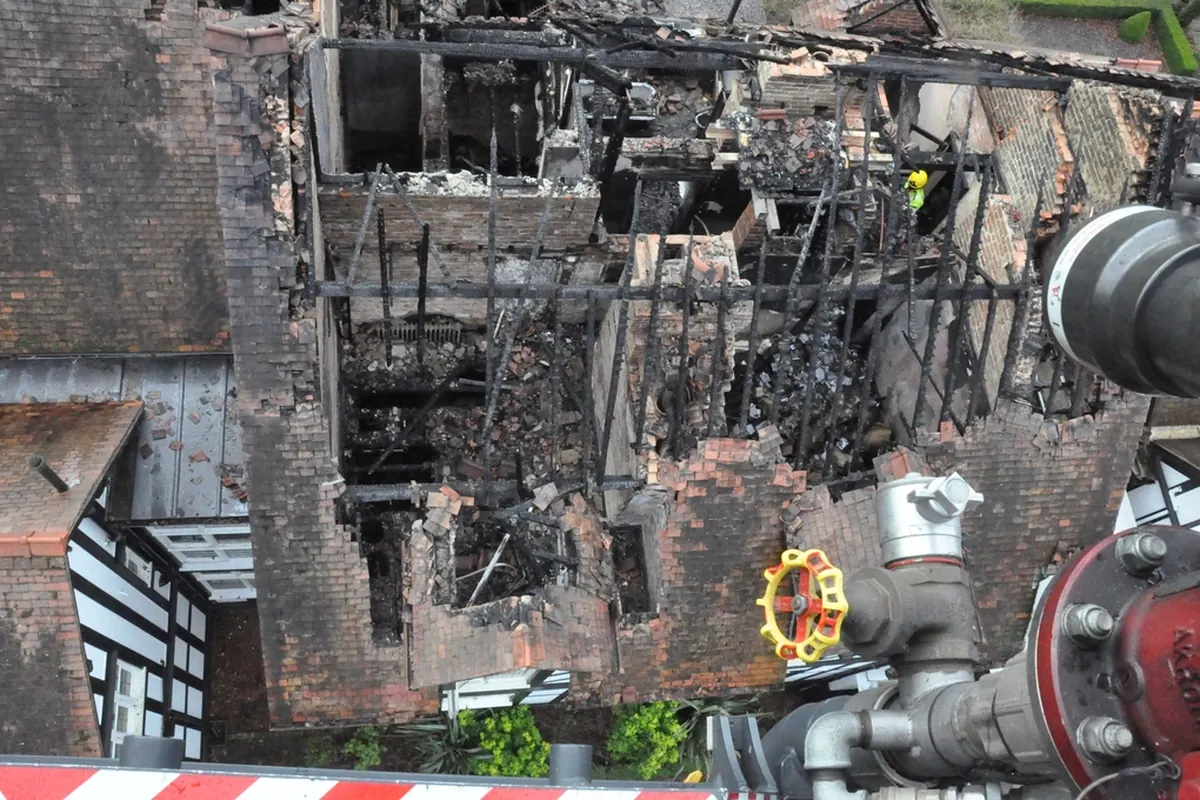
Fire & Smoke Damage Appraisal
Structure fires, smoke and soot cleaning, odor control and contents losses priced room by room.Learn more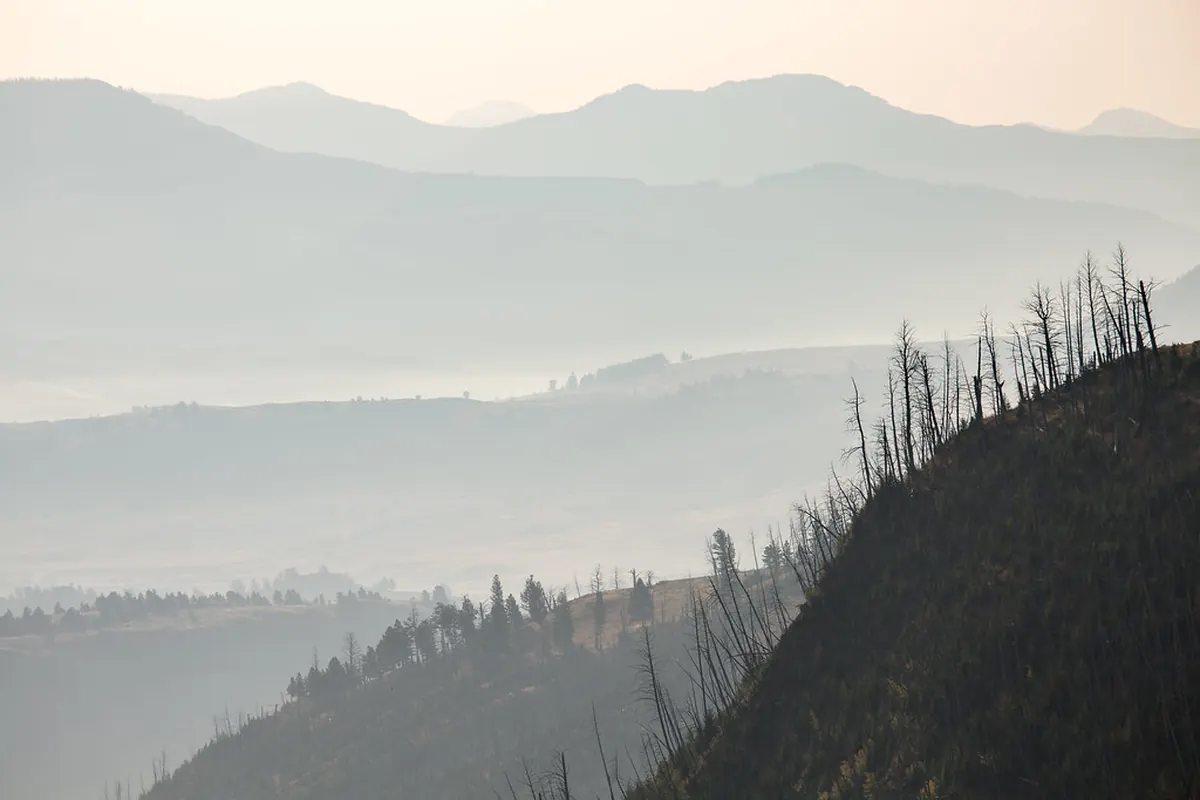 Related service
Wildfire & Ash Claim Appraisal
Total losses, partial burns and smoke and ash contamination from Washington wildfires.Learn more Related service