- Windstorms
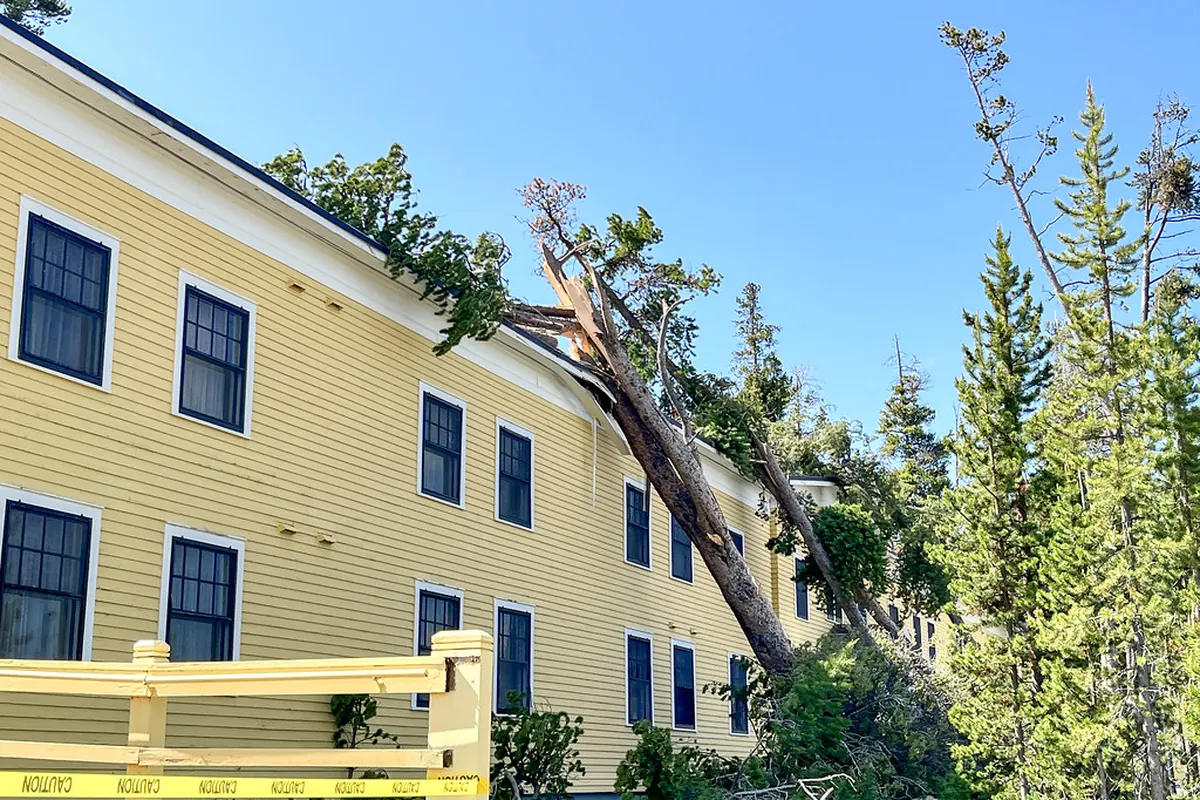
- Falling trees
- Water leaks
- Snow & ice
- River flooding (flood policy)
Housing mix: Older north Everett homes, post-war ranches, newer subdivisions and growing condo stock.
Snohomish County weather
Everett is the seat of Snohomish County. Its waterfront, port and aerospace employers anchor a county that stretches from Puget Sound into the Cascades. Winter windstorms are the biggest regular threat. The Hanukkah Eve Storm in 2006 and the November 2024 bomb cyclone both caused widespread tree damage and outages across the county.
The Snohomish, Stillaguamish and Skykomish rivers flood in heavy winter rains, and the 2014 Oso landslide showed the county’s geologic risks. Flood and earth movement are excluded from standard homeowner policies, so separate coverage matters here.
Housing in and around Everett
North Everett has older homes, some dating to the early 1900s. South Everett, Mill Creek, Lynnwood and Marysville have large tracts of post-war and newer homes. Condominium and apartment construction has grown along the transit corridors.
Common Everett claims
- Falling trees on roofs and garages during windstorms.
- Roof and siding damage on exposed hillsides above the Sound.
- Burst pipes and water damage during cold snaps.
- Condominium water losses that affect more than one unit.
Services available in Everett
Every Washington Insurance Appraiser service is available to property owners in Everett and across Snohomish County, including:
- Appraisal Clause Representation
- Homeowner Claim Appraisal
- Condo, HOA & Commercial Appraisal
- Roof & Hail Damage Appraisal
- Windstorm & Tornado Appraisal
- Fallen Tree Damage Appraisal
- Water & Rain Intrusion Appraisal
- Fire & Smoke Damage Appraisal
Questions from Everett property owners
Do you cover the rest of Snohomish County?
Yes. We cover Lynnwood, Edmonds, Mukilteo, Mill Creek, Marysville, Lake Stevens, Snohomish, Monroe and Arlington.
Does my homeowner policy cover river flooding?
Generally no. Flood from rising rivers is excluded from standard policies and requires separate flood insurance, such as through the National Flood Insurance Program.